NEWS
Read about newsworthy items on issues affecting public broadcasting, including press releases, news articles, videos, speeches, local stations stories and more.
Latest News
-
Local Public Broadcasting Stations Begin Eliminating Local Programs and Services Without Federal Funding
10/01/25
For the first time in over 50 years, local public broadcasting stations will not receive federal funding through CPB.
-
U.S. House Appropriations Committee Votes to Continue to Devastate Local Public Television Stations and Their Communities
09/09/25
Americans in every community across the country are now confronting the loss of essential services that only local public television stations.
-
U.S. House Appropriations Subcommittee Fails to Restore Essential Funding for Local Public Broadcasting Stations
09/02/25
APTS is deeply disappointed that the House Appropriations Labor-H Subcommittee did not include essential funding for local public television stations.
-
Defunding Public Media Threatens Public Safety in Communities Nationwide
08/18/25
Today’s announcement by the Corporation for Public Broadcasting (CPB) that CPB can no longer administer the Next Generation Warning System (NGWS) grant program is yet another devastating result of the rescission of public media funding.
-
Local Public Media Stations Face Greater Financial Burdens Due to the Closure of the Corporation for Public Broadcasting
08/04/25
APTS is deeply troubled by the current situation that has made it necessary for CPB to begin winding down its operations.
-
U.S. Senate Appropriations Committee Fails to Restore Essential Funding for Local Public Broadcasting Stations
07/31/25
The Senate Appropriations Committee missed an opportunity to throw a desperately needed lifeline to local public media stations. -
Local Public Television Stations Will Close After U.S. Congress Votes to Rescind Essential Funding
07/18/25
Today, the U.S. House of Representatives voted to eliminate federal funding to local public television stations throughout this country, defying the will of the American people.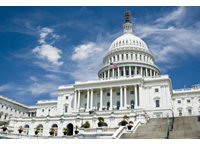
-
Local Public Television Stations at Risk of Closing After U.S. Senate Votes to Rescind Essential Funding
07/17/25
APTS is devastated that the Senate voted to eliminate federal funding to the local public television stations throughout this country. -
America’s Public Television Stations Warn That Side Deal For Tribal Stations Will Not Protect Their Local Service
07/16/25
Simply providing a one-time payment to Tribal stations will not ensure they can continue their current service or even survive. -
Op-Ed: Public Broadcasting Saves Lives
07/15/25
Here’s the bottom line: local public broadcasting stations save lives. That’s not a slogan. It’s a fact.
-
APTS Commends U.S. House Appropriations Committee Proposal to Fund Public Broadcasting’s Public Safety Infrastructure
06/24/25
APTS is grateful that the committee recognizes the essential role that public television plays in the nation’s civil defense, public safety and homeland security.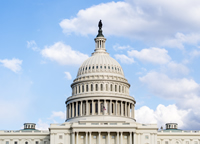
-
APTS Congratulates FCC Commissioner Olivia Trusty on Her Senate Confirmation
06/17/25
We look forward to working with Commissioner Trusty to advance public television’s missions of education, public safety and community connections. -
Local Public Television Stations at Risk of Closing After U.S. House of Representatives Votes to Rescind Essential Funding
06/12/25
APTS is deeply disappointed that the House voted to completely defund the local public television stations throughout this country. -
America’s Public Television Stations Oppose Proposed Rescission of Essential Funding for Local Public Television Stations
06/03/25
We urge Congress to reject this destructive proposal to eliminate public media funding. -
President’s Fiscal Year 2026 Budget Undermines Rural Services
05/31/25
America’s Public Television Stations are deeply disappointed that President Trump’s FY 2026 budget proposal recommends eliminating federal funding for the locally controlled public television stations that the American people rely on and support funding for, including 65% of people who voted for the President.